What is a sail shade?
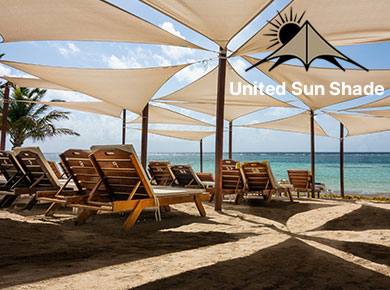
Sail shades have earned popularity as a versatile and stylish solution to protect your outdoor spaces. It is a highly tensioned and flexible fabric engineered to block the harsh sun rays and keep your area comfortable. It is among the best and lasting shelter options for homeowners to install in their backyard. Commercial property owners also install a quality sunshade Dubai to create a comfortable outdoor area. It remains perfectly usable throughout the year.
How Tensioned Fabric Structures Actually Work
Sail shades are versatile in nature and can be installed in various settings, such as-
- Residential backyards and patios
- Playgrounds
- Pool areas
- Commercial spaces like cafes or resorts
These tensioned fabric canopies stay up to create shade and can handle weather elements seamlessly. They are unlike the traditional frame-based gazebos or the heavy tiles wooden pergolas. It depends entirely on pulling forces distributed all over the fabric.
When installers anchor each corner securely, the fabric pulls incredibly tight, eliminating sagging and stopping the canopy from whipping around violently during heavy desert windstorms.
The fabric itself is engineered to survive immense environmental stress. The clever knit pattern allows heat to rise and escape, while simultaneously stopping harmful ultraviolet radiation from passing through.
Heavy-Duty Fabrics Built for the Desert
The harsh weather in the Gulf region means you need structural materials that will not dry out or rot under intense heat. They are a good option for their lasting outdoor lifespan as they are made from robust material.
High-Density Polyethylene (HDPE)
This is a heavy-duty knitted fabric. It offers great physical strength and allows heat to escape naturally. It can block majority of the harmful UV rays.
Polyvinyl Chloride (PVC)
It is a waterproof polyester material coated with vinyl and is ideal for protecting any space from rain. These structures are easy to maintain and lasts for a long time.
Common Uses for Homes and Businesses
The sheer adaptability of tensioned sails means you can stretch them over almost any layout. Property owners pick specific styles depending on the shape of the area they need to cover and the surfaces available for mounting.
Backyards, Patios, and Pools
Residential properties often have open patio areas, pool decks, and gardens that become unusable during the afternoon due to blinding heat. That is when homeowners choose to install a modern outdoor sunshade Dubai. It creates a cool and comfortable sanctuary and also protects your outdoor furniture. Families can use the space for small gatherings or relaxation without worrying about the scorching stone decks.
Some people even choose to overlap several rectangular or triangular sails at different heights. It helps to create a beautiful design that boosts the overall appeal of your home.
Commercial Settings and Public Parks
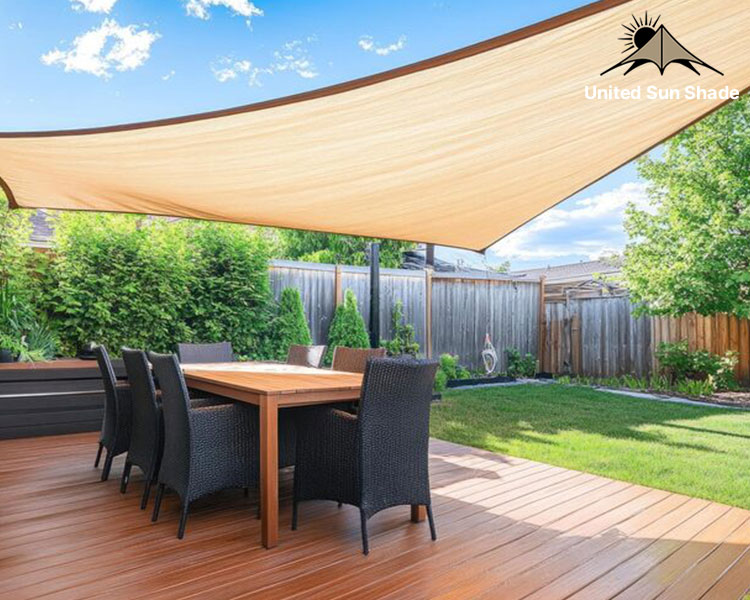
Sail shades are also an ideal option for businesses and institutions. They use a large number of canopies to protect the space from heat and provide comfort to people. It can be installed over outdoor playgrounds and sports courts for children to play safely.
Similarly, hotels, open-air restaurants, and beach resorts place large architectural sails over dining terraces and poolside lounges to maximise their usable seating space all day long.
Protecting Vehicles with Car Parking Shade Systems
Vehicles left under the baking sun run into rapid, expensive damage inside and out. The trapped heat inside a closed car can easily skyrocket past 60 degrees Celsius in less than an hour, causing leather seats to crack, dashboards to warp, and delicate electronics to fail.
To stop this from happening, properties use permanent vehicle canopies. A heavy-duty car parking shade acts as a sacrificial shield, catching the worst of the sun’s rays before they ever touch your car’s paint or glass.
By installing a dedicated parking canopy, you keep the cabin at a reasonable temperature, which saves your air conditioning from working overtime when you turn the key.
Smart Structural Layouts for Parking Bays
Car shade sail requires strong steel frameworks to support the heavy pull of the fabric over wide driving lanes. The most popular designs include:
Cantilever Designs
These systems put the support posts strictly at the back of the parking space, keeping the front completely clear so you can drive in and out without worrying about hitting a pole.
Arch Designs
You can build this design using curved steel frames. It offers a classic as well as rounded look to provide more stability when using as a car parking shade.
Pyramid Structures
Featuring a central high point with fabric sloping down to four corner posts, pyramid designs are exceptionally rigid and look highly professional for business parks.
Keeping Your Sail in Top Condition
While industrial fabrics are incredibly tough, a little regular care keeps them looking new and extends their life by years. Desert environments bring sand buildup, high humidity, and dust that settles on the fabric over time.
Quick Maintenance Steps for Fabric Canopies
Here are some simple cleaning tips that you must follow to keep your shade sail installation in mint condition and functional. Performing these steps every few months will also elongate the lifespan of the structure.
- Clean the surface- Ensure to clear the dust, sand, leaves or branches from the surface of the sail using a soft broom.
- Wash the Material- Spray down the fabric with mild, soapy water and a soft cloth to lift bird droppings or dirt films without stripping the built-in UV coatings.
- Check the Hardware- Take a quick look at the stainless-steel turnbuckles, shackles, and cables to make sure nothing has loosened up from high winds.
Handling Extreme Weather
During rare, severe storms or home renovation projects, it is smart to adjust your setup. If extreme high winds are on the way, loosening the turnbuckles lets you unhook the fabric safely, preventing massive wind loads from tearing your brackets out of the walls.
Investing in a high-tensile fabric structure is a smart way to upgrade your property. By picking the right materials and relying on proper installation, you get a cool, beautiful outdoor area that easily beats the summer heat year after year.
United Sun Shade designs and installs premium, long-lasting sun shade in Dubai solutions, ensuring your outdoor spaces receive exceptional thermal protection and tailored architectural styling.
Author Bio
United Sun Shade is an industry-leading manufacturer of bespoke tensile structures based in Dubai. The company designs, manufactures, and installs high-grade car parking canopies, residential sail shades, and commercial fabric structures. Backed by years of regional expertise, their engineering team delivers durable weather protection solutions optimised for harsh desert environments.
Frequently Asked Questions
Can fabric sails be attached straight to villa walls?
Yes, you can anchor them to walls, but the hardware must bolt directly into reinforced concrete columns rather than hollow bricks or soft exterior foam insulation.
How do tensioned fabric canopies handle heavy windstorms?
When they are cut with proper catenary curves and pulled fully tight, these flexible sails allow high winds to pass smoothly over and around them without ripping.
How long does a high-density polyethylene sail usually last?
A premium industrial HDPE structure easily lasts between eight to fifteen years, depending on how much direct sun it gets and how often you clean it.
Do waterproof PVC shades need a steep angle when installed?
Yes, waterproof vinyl sails need a slope of at least twenty degrees so rainwater runs off instantly, which stops water from pooling and stretching the material.
Should I take the fabric canopy down during the winter?
You do not need to take it down for winter because the heavy-duty materials handle cooler weather perfectly, though checking the hardware tension once a season is smart.
What makes a commercial cantilever structure different from normal poles?
A cantilever setup puts all the heavy steel posts at the very back of the frame, leaving the front wide open so cars have maximum room to move.