Commercial Car Park Sunshade Solutions for Modern Developments
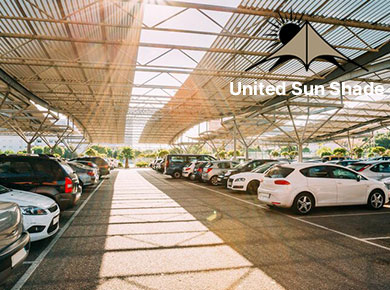
Modern developments in Dubai tend to treat parking as part of the overall experience, because heat and UV exposure can turn a simple car park into a daily frustration. A correctly planned car parking sun shade reduces interior heat build-up, helps protect vehicle paint and upholstery from prolonged sun exposure, and keeps parking areas looking orderly rather than patched together, so fewer day-to-day complaints land on the facilities desk.
What a Commercial Parking Shade System Needs to Deliver
Commercial car parks behave like small transport hubs, with constant movement, multiple entry points, and pressure to keep bays clear and safe. Shade coverage should support that pace, so you can keep circulation workable while fitting the architectural language of a modern development. This is because these structures are highly visible.
Reduce UV-Related Wear Without Trapping Heat
Long exposure to harsh sunlight can affect a vehicle’s exterior paint and can fade interiors over time, especially in a high-sun environment. Shade coverage helps limit direct exposure, while breathable fabrics can still allow heat to escape rather than collecting under the canopy.
Lower the Temperature People Actually Feel When Returning to Vehicles
Heat build-up inside parked cars is more than an inconvenience; it slows down turnover and makes short stops feel longer. Vehicle interiors left in direct sun can reach up to 70°C, and shading helps keep temperatures significantly lower, which improves comfort and reduces the immediate load on air conditioning when drivers get back into vehicles.
Add Value and Visual Order to Modern Developments
Well-designed awning shade structures can complement façades and external finishes, and experts recommend them as both functional protection and a visual upgrade. On commercial sites, that visual consistency supports wayfinding and strengthens the impression that parking is part of the planned public realm.
Practical Advantages That Often Shape Project Briefs
Commercial briefs tend to tighten once the benefits are translated into operational outcomes, because that is what stakeholders notice week after week.
- Improved comfort for drivers and passengers entering cars after long parking periods
- Reduced reliance on intensive air conditioning immediately after entry, supporting fuel savings
- Better protection for paintwork and interior components exposed to sunlight for extended periods
- A more finished look that can improve property appeal and support perceived site quality
Shade Structure Formats Used Across Modern Commercial Car Parks
The structure format should be selected around circulation and bay geometry, not around what looks good in a single render. Commercial sunshade layouts include ramps, islands, access gates, and loading zones, so the right structure is usually the one that shades effectively while staying out of the way.
Cantilever Car Parking Shades for Clean Circulation Lines
Cantilever shades are supported from one side, which keeps the parking bay open and reduces obstructions around doors, trolleys, and pedestrian movement. This design is a popular option because it protects from harsh sun rays. It does not take up much space or obstruct movement around vehicles. It helps when traffic peaks during retail rush hours or when shift changes.
Arch Designs That Suit Larger Sites and Visible Frontages
Arch design car parking shades are presented as visually striking and are often used in larger commercial spaces. For modern developments where the car park is visible from upper floors or neighbouring roads, an arch profile can make repeated bay coverage feel intentional rather than purely functional.
Cone and Pyramid Profiles for Repeatable Bay Modules
Cone and pyramid shades are described as decorative options that also function as practical coverage. They are ideally used in mixed-use spaces with long car parking rows. The repeated modules can allow car owners to keep the parking space organised and visually consistent across multiple phases.
A Specification Checklist That Keeps Decisions Practical
Material choices tend to go smoothly when we agree on selection criteria early, because it reduces late-stage changes and avoids mismatched bays.
- Required UV protection level for the intended exposure and orientation
- Breathability needs versus full weather protection expectations
- Cleaning frequency based on traffic levels and dust accumulation
- Frame material preference based on corrosion expectations and site maintenance routines
- Visual alignment with building finishes, boundary walls, and external signage standards
Features That Influence Performance on High-Traffic Commercial Sites
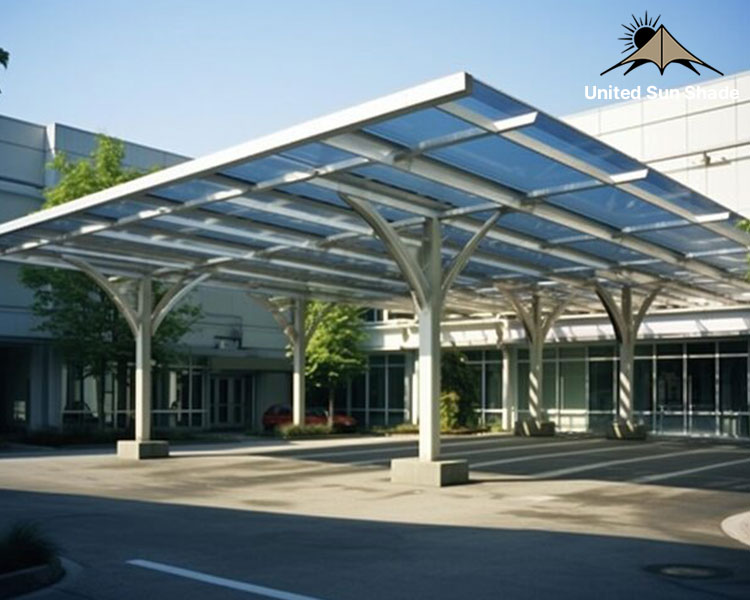
Even a strong structure can underperform if key features are missed during selection. The following pointers highlight feature such as UV protection, durability, customisation, and aesthetic appeal, and those themes translate directly into commercial requirements.
UV Protection as a Core Performance Requirement
A sunshade should do more than cast shadow; it should meaningfully reduce sun exposure that drives fading and deterioration. Specifying UV performance expectations early helps keep fabric selection aligned with the real purpose of the project, so teams are not forced into late substitutions.
Durability for Heat, Sandstorms, and Occasional Rain
An awning shade calls out extreme heat, sandstorms, and occasional rain as the context for selection. For commercial sites, durability is also about maintaining appearance over time, because faded or torn bays stand out immediately in high-visibility developments where brand perception matters.
Customisation that Matches Bay Capacity and Traffic Flow
Commercial developments often need multi-bay coverage, and that usually means a mix of bay sizes and circulation requirements. Custom sizing supports better coverage, while avoiding supports that interfere with door swing, pedestrian lines, or kerbside access.
Installation Stages That Shape Longevity and Finish Quality
During installation, details like tension, alignment and fixings determine how the shade look or performs even after years. Choosing a reliable installation company ensures that the structure is installed professionally.
Closing Thoughts
Commercial car park shading performs best when treated as a planned development element, with structure type, materials, and maintenance aligned to the site’s real use, so you are not forced into reactive fixes later. Cantilever, arch, cone, and pyramid formats can suit different layouts, while HDPE and PVC fabrics paired with steel or aluminium frames support durability under Dubai’s heat and dusty conditions.
Later in the project lifecycle, revisiting coverage layout, cleaning routines, and inspection schedules helps keep the shade system tidy and consistent, rather than letting small defects become highly visible across busy parking rows.
A well-placed sunshade also supports property value and curb appeal, because the car park looks organised, comfortable, and intentionally designed.
United Sun Shade stands out to be one of the most preferred choices for installing sun shades in Dubai. They truly offer dependable commercial car parking sun shade for modern developments.
Author Bio
United Sun Shade is a Dubai-based shading specialist focused on designing and installing durable shade structures. The team supports residential, commercial, and industrial sites with measured layouts, material-led recommendations, and professional installation. Work is shaped around heat, dust, wind, and day-to-day parking flow, so solutions stay practical long after handover.
FAQs
What design choice helps keep commercial bays clear for door swing and pedestrian flow?
Cantilever structures support shade from a single side, keeping the bay open and reducing posts around vehicles. This simple step can keep the commercial parking space organised while ensuring clear movement of vehicles.
Can shade designs match the look of modern developments?
Arch, cone and pyramid profiles provide a defined architectural shape. You can choose from a variety of options for custom size, shape and colour. Repeating the same module across rows keeps the visual language consistent.
Which fabric option suits projects where breathability is a priority?
HDPE is highlighted as strong and UV-blocking while remaining breathable, allowing heat to escape. In high-turnover parking areas, that breathability can help shaded bays feel cooler during peak hours.
Which fabric option supports easy cleaning in dusty, high-traffic car parks?
PVC fabric is described as durable, weather-resistant, and easy to clean, while protecting against sun and rain. That makes it a practical choice for car parks that need regular visual upkeep.
What are the key installation stages to plan around for commercial timelines?
The typical sequence includes a site assessment and measurement visit, mounting and securing the steel or aluminium frame, fitting and stretching the fabric, then a final inspection. Clear sequencing supports predictable site coordination.
Where does an awning shade fit in the same development’s outdoor coverage plan?
Awnings sit alongside parking shades as part of the product menu, so entrance zones and walkways can share a consistent shading approach. Coordinated selections help keep external areas visually connected.